
 Facebook
 Twitter
 LinkedIn
 Forward
 Facebook
 X
X LinkedIn
 Forward
2026 FEB CCSS: Operational Medicine: Preparing the Force for Mission Readiness
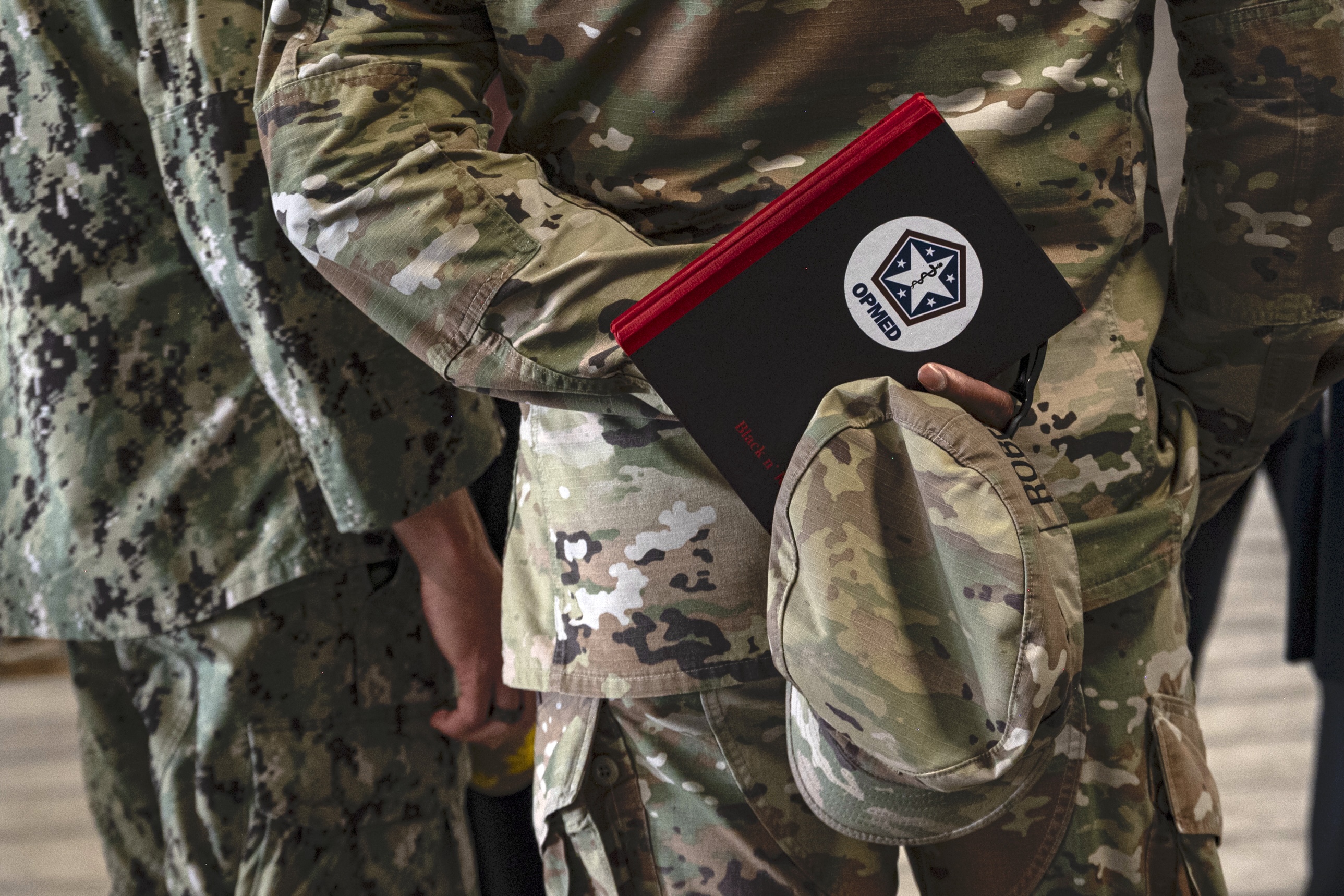
Clinical Communities Speaker Series
Examine operational medicine strategies that prepare service members to perform and survive in demanding mission environments.
Virtual event on Thursday, February 19, from 7:45 AM to 3:45 PM ET

Overview
The Clinical Communities Speaker Series aims to advance the skills, strategies, and competence of healthcare providers and teams across the military health system. Virtual presentations draw on military and civilian experts from academia, government, and clinical care settings to address professional practice gaps among a wide range of healthcare professions. By focusing on clinical best practices, interprofessional learning, and military readiness, participants are empowered to optimize health outcomes for uniformed service members and their families through better individual and collaborative care practices.
4.7 out of 5 average rating ★★★★★
(1,000+ reviews)
This event will explore the evidence-based practices in operational medicine through educational content created by military and civilian Subject Matter Experts specializing in bioethics, research, health care, and academia. Each session is designed to refine the quality of care, achieve the best outcomes, and improve population health. The primary focus of this event aims to enhance the quality of patient outcomes and population health by providing advanced continuing education opportunities to improve the practice, skills, and knowledge of health care providers across the Military Health System.
Session Agenda
- S01: Large Scale Combat Operations, Public Health, Musculoskeletal Injuries and YOU, the Clinician
- S02: Medical Response to Radiation: Navigating Emergencies, Enhancing Survival
- S03: Increasing the Reach and Accessibility of Suicide Prevention Treatment
- S04: Measuring Readiness in the Military Health System
- S05: Operational Medicine Ethics
- S06: Soft Tissue Hip Injuries: Methods of Repair and Recovery
Target Audience
This activity is designed to meet the educational needs of Physicians, Nurses, Pharmacists, Pharmacy Technicians, Physician Associates/Physician Assistants, Optometrists, Social Workers, Psychologists, Dentists, Dental Hygienists, Dental Technicians, Registered Dieticians, Dietetic Technicians, Athletic Trainers, Case Managers, Occupational Therapists, Occupational Therapist Assistants, Kinesiotherapists, Speech Language Pathologists, Audiologists, and other health care professionals who support/care for U.S. active-duty service members, reservists, Coast Guard, Public Health Service, National Guardsmen, military veterans, and their families.
Presentation slides and other resources will made available closer to the event.
February 2026 Clinical Communities Speaker Series (CCSS)
"Operational Medicine: Preparing the Force for Mission Readiness"
Thursday, February 19, 2026, from 7:45 a.m. to 3:45 p.m. ET
| ET | Moderator Edward Chin, MD, MPH | |
| 0745 – 0750 | Welcome Remarks Army Maj. Christine Kasprisin, DSc, DPT, PT | |
| 0750 – 0800 | Opening Remarks Edward Chin, MD, MPH | |
| 0800 – 0900 | Session 01: Large Scale Combat Operations, Public Health, Musculoskeletal Injuries and YOU, the Clinician | |
| Army Lt. Col. Shay Lopez, DPT, OCS Chief, Injury Mitigation/Prevention Branch Defense Centers for Public Health Abderdeen, Md. |
| |
| 0900 – 0910 | Break | |
| 0910 – 1010 | Session 02: Medical Response to Radiation: Navigating Emergencies, Enhancing Survival | |
| Air Force Lt. Col. Justin G. Peacock, MD, Ph.D. Associate Dean for Research Uniformed Services University of the Health Sciences School of Medicine Bethesda, Md. |
| |
| 1010 – 1020 | Break | |
| 1020 – 1120 | Session 03: Increasing the Reach and Accessibility of Suicide Prevention Treatment | |
| Justin C. Baker, Ph.D., ABPP Director, Suicide and Trauma Reduction Initiative (STRIVE) Assistant Professor, Department of Psychiatry & Behavioral Health The Ohio State University Columbus, Ohio |
| |
| 1120 – 1130 | Break | |
| 1130 – 1230 | Session 04: A Mission-Ready Force: The Strategic Imperative of Measuring Readiness in the Military Health System | |
| Air Force Col. Justin Fox, MD, FACS, CPE, MC Chief Medical Officer, Joint Knowledge, Skills, and Abilities (JKSA) Program Management Office Defense Health Agency Falls Church, Va. |
| |
| 1230 – 1330 | Lunch Break | |
| 1330 – 1430 | Session 05: Beyond the Battlefield: Ethical Frontiers in Operational Medicine | |
| Army Maj. Hunter Jackson Smith, MD, MPH, MBE, FACPM Focus Area Lead, Antimicrobial Resistant Infections Global Emerging Infections Surveillance Branch Armed Forces Health Surveillance Division Silver Spring, Md. |
| |
| 1430 – 1440 | Break | |
| 1440 – 1445 | Administrative Remarks Alna Gopez, MSN, BSN, RNC-OBe | |
| 1445 – 1545 | Session 06: Soft Tissue Hip Injuries: Methods of Repair and Recovery | |
Kyle Kunze, MD
Sloane Lipkin, BA |
| |
Featured Faculty

Edward Chin, M.D., MPH
Acting Branch Chief, Occupational Medicine Branch
Defense Centers for Public Health
Chair, Military Specific Clinical Care Community
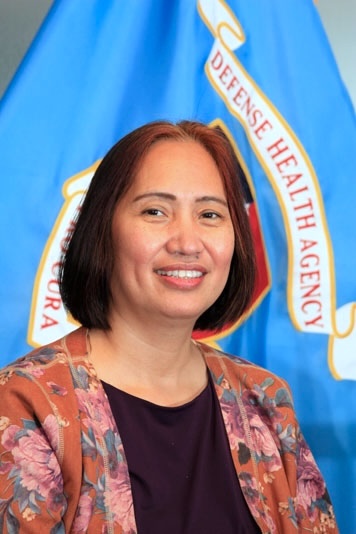
Alna Gopez, MSN, BSN, RNC-OB
Training Specialist
J-7 Education and Training
Defense Health Agency
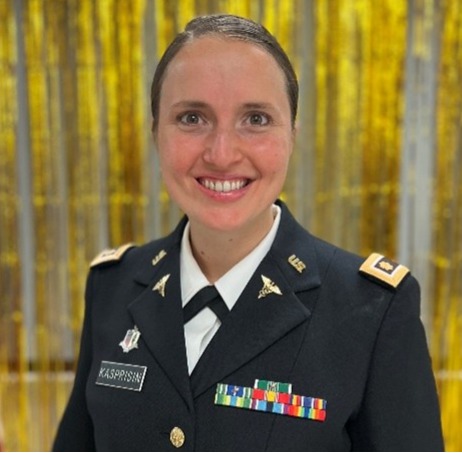
Army Maj. Christine Kasprisin, D.Sc., DPT, PT
Associate Program Director, Army-Baylor University Doctoral Fellowship in Orthopaedic Manual Physical Therapy
San Antonio Military Health System
Brooke Army Medical Center
Presenting Faculty
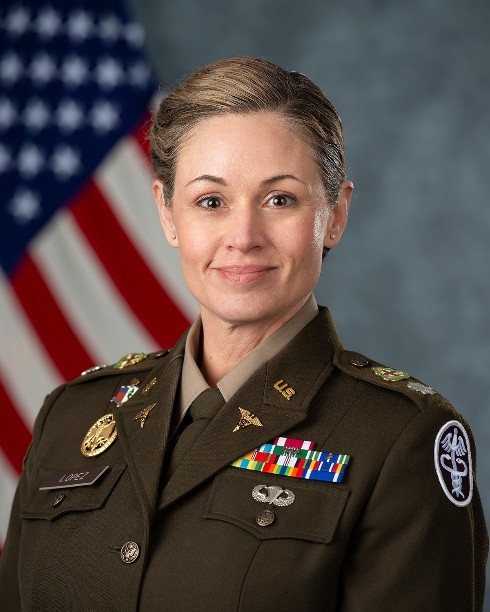
Army Lt. Col. Shay Lopez, DPT, OCS
Chief, Injury Mitigation/Prevention Branch
Defense Centers for Public Health
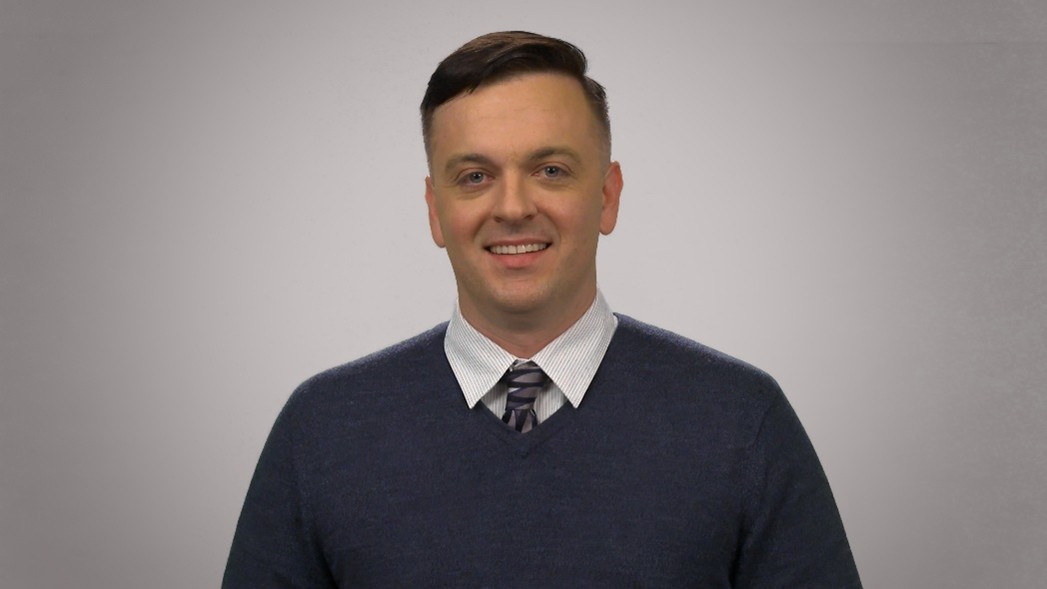
Justin C. Baker, Ph.D., ABPP
Director, Trauma Program
Director, Suicide and Trauma Reduction Initiative
Assistant Professor, Department of Psychiatry & Behavioral Health
The Ohio State University
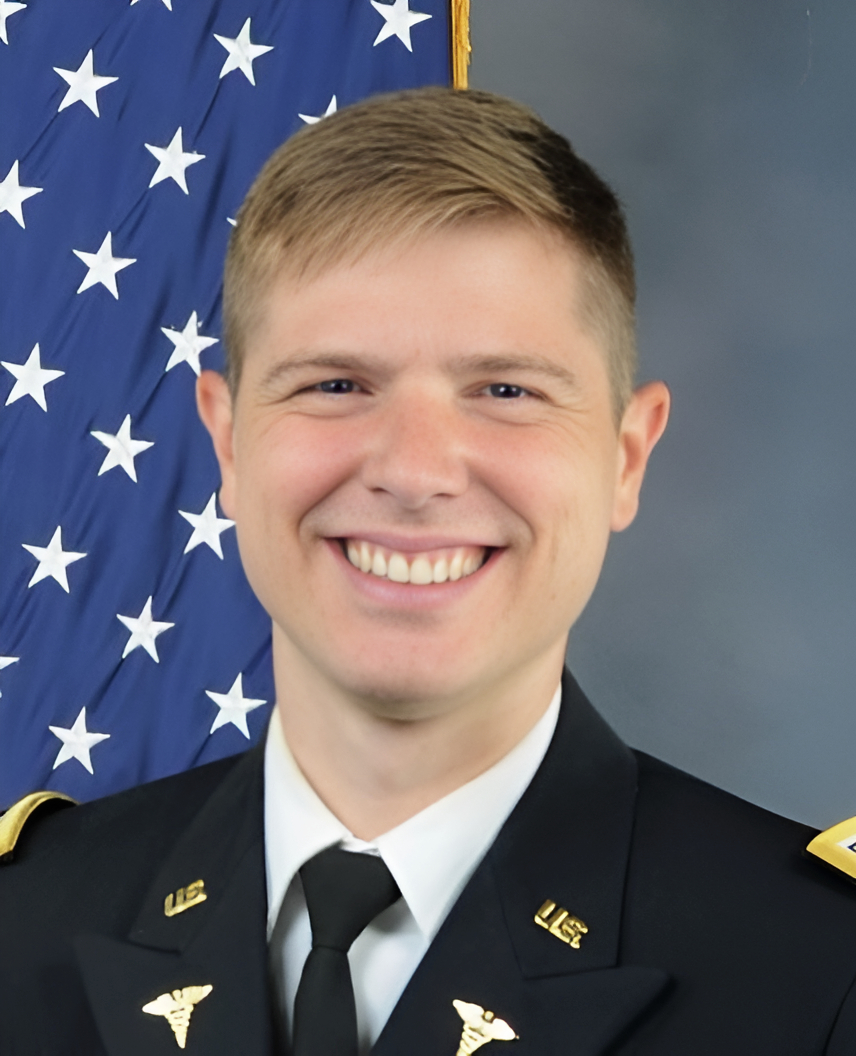
Army Maj. Hunter Jackson Smith, M.D., MPH, MBE, FACPM, MC
Focus Area Lead, Antimicrobial Resistant Infections
Global Emerging Infections Surveillance Branch
Armed Forces Health Surveillance Division
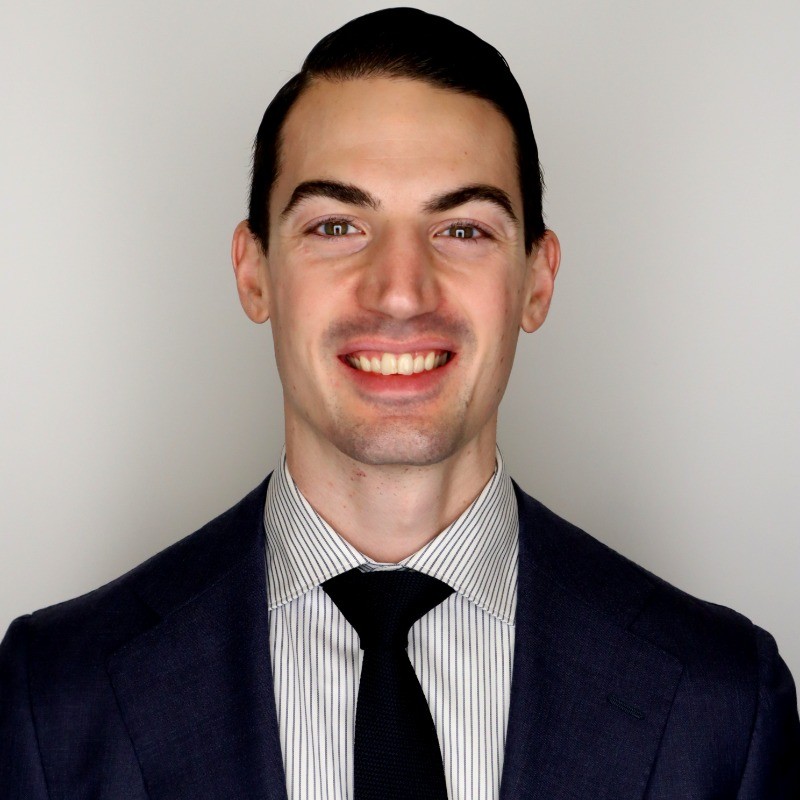
Kyle Kunze, M.D.
Orthopedic Surgeon
Midwest Orthopedics
Rush University Medical Center
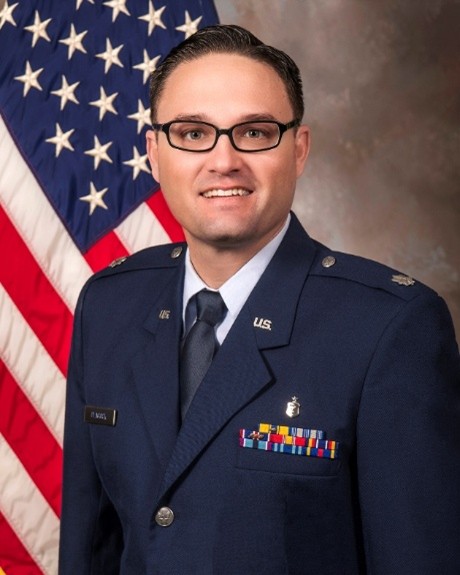
Air Force Lt. Col. Justin G. Peacock, M.D., Ph.D.
Associate Dean for Research
Uniformed Services University of the Health Sciences School of Medicine
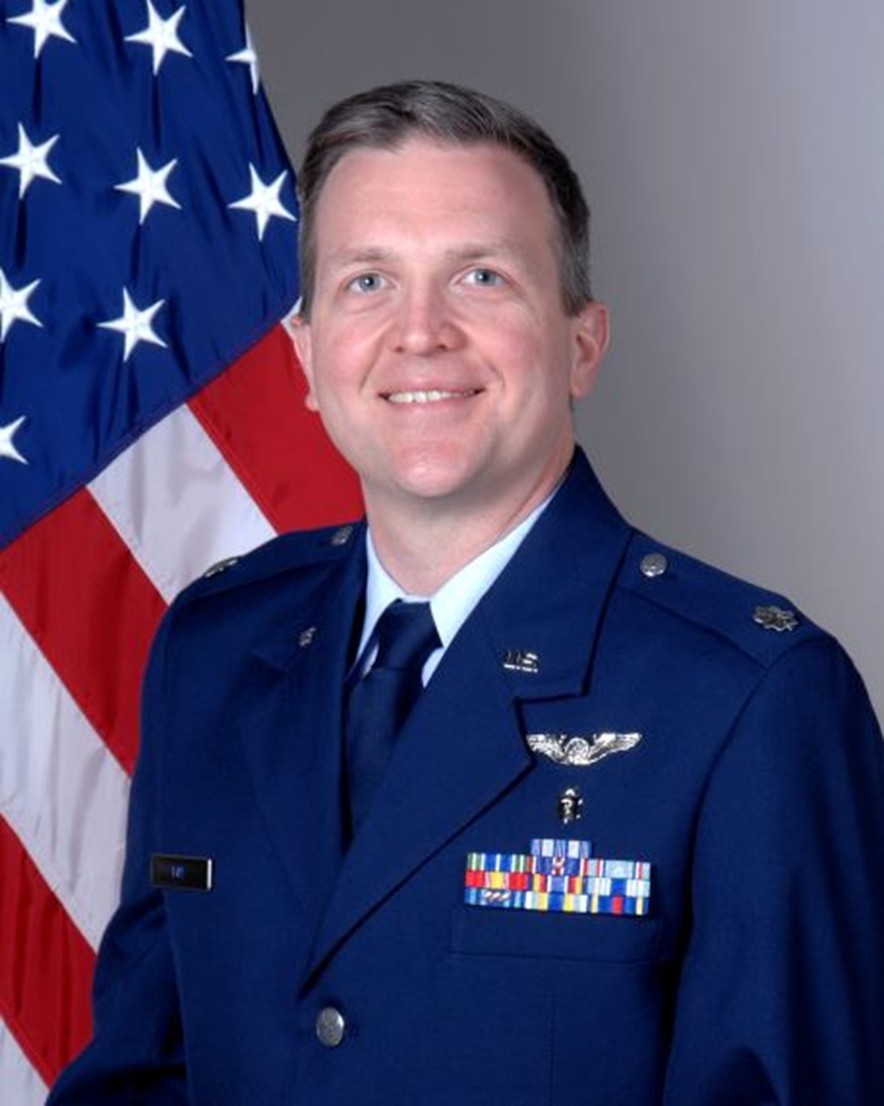
Air Force Col. Justin Fox, M.D., FACS, CPE, MC
Chief Medical Officer, Joint Knowledge, Skills, and Abilities (JKSA) Program Management Office
Professor of Surgery, Uniformed Services University
Plastic Surgery Consultant to the Air Force Surgeon General

Sloane Lipkin, B.A.
Research Assistant
Rush University Medical Center
Disclosure: DHA J-7 staff, planners, authors, faculty, and content reviewers for this educational activity have no relevant financial or non-financial relationship(s) with ineligible companies to disclose.
How to claim CE/CME credit
Credits are awarded by session. Enroll in this event, then click on a session you attended and proceed to take the evaluation and posttest to claim your certificate. Evaluations open immediately after each session ends. You have until Mar 5, 2026 to claim credit.
For additional technical support, email [email protected].